Key takeaways
- Shoppers who like the look and performance of a premium insulated tumbler but want other options have plenty of choices.
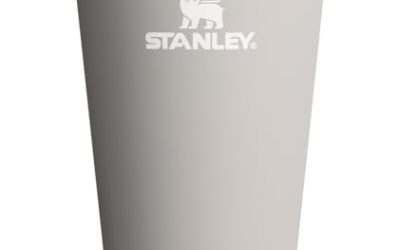
Shoppers who like the look and performance of a premium insulated tumbler but want other options have plenty of choices. The best alternative is one that matches the features that matter in daily use: how long drinks stay cold or hot, whether the lid is leak-resistant, how the tumbler fits in a cup holder, and how well the finish survives drops and dishwashers.
This guide skips brand comparisons and explains how to judge any double-wall stainless steel tumbler. It covers construction, size, lids, coatings, budget tiers, common mistakes, and care, so the decision rests on specifics instead of marketing claims.
How Insulated Tumblers Keep Drinks Cold or Hot
Most quality tumblers use double-wall stainless steel with a vacuum sealed between the inner and outer walls. Because heat transfers poorly across a vacuum, the contents hold their temperature far longer than in a single-wall cup. The lid is the weak point, since heat escapes through the opening, so lid design affects performance as much as the wall.
Vacuum insulation versus foam or plastic
Vacuum-insulated stainless steel outperforms foam-lined or double-wall plastic cups, particularly with ice. Cheaper plastic tumblers are lighter and cost less but warm up faster and may retain odors and stains. For a cup used daily, stainless steel generally lasts longer.
Copper lining and other extras
Some tumblers add a copper layer inside the vacuum space to reflect heat. The extra layer is a marketing point on some products, while others rely on thicker steel or better seals. Judge a tumbler by independent performance descriptions and warranty terms rather than a single feature name.
Features to Compare
Size and shape
Common capacities range from about 20 ounces to 40 ounces. A smaller size fits a car cup holder and suits coffee or tea, while a larger tumbler holds all-day water or iced drinks. Many large tumblers are wide and tall, so check the base diameter against a vehicle’s cup holders before buying, and consider a handle for easy carrying.
Lid style
Lids come as press-in sliders, flip straws, screw-on spill-resistant types, and full-seal options. A slider lid is easy to drink from but is usually spill-resistant rather than leakproof. Full-seal and screw-in styles reduce leaks in bags and are better for travel, though they can be less convenient for one-hand sipping. Make sure the lid comes apart for cleaning, since gaskets can hold residue.
Straw compatibility
Some tumblers include a straw, while others accept a standard straw through a lid opening. A lid with a straw hole should have a cover to prevent spills and keep out dust. Check whether straws are dishwasher safe and replaceable.
Exterior finish
Powder-coated finishes resist scratches and offer a grippy feel, but they can chip on hard knocks over time. Bare stainless steel is durable and easy to clean, though it shows fingerprints. Painted finishes vary in toughness, so look at the manufacturer’s care instructions and warranty.
Base and stability
A silicone or rubber base reduces noise on a desk and keeps the tumbler from sliding on a car dashboard. A wide base is stable but may not fit a cup holder, and a tapered base fits better but tips more easily.
Material safety and cleaning
Look for food-grade stainless steel, commonly labeled as 18/8, and a BPA-free lid and gasket. Dishwasher-safe claims are helpful, though handwashing extends the life of many finishes and seals. Deep stains or odors can often be removed by soaking in a mix of warm water and baking soda.
Types of Alternatives
Value-oriented stainless tumblers
These mimic the form of premium tumblers with simpler lids and thinner coatings. They can be a good fit for casual use, and many offer solid insulation, though the finish may wear sooner.
Large-capacity tumblers with handles
Designed for all-day hydration, these hold a lot of water and often come with a straw lid and a carry handle. They suit desk workers, gym visits, and road trips, though their size can be awkward in smaller cup holders.
Slim tumblers for commuting
A narrower body fits standard cup holders and bike cages. These are better for coffee and tea than for large amounts of ice water, and they typically use a leak-resistant lid.
Insulated mugs and bottles
If the main goal is hot drinks, an insulated mug with a screw-top lid keeps coffee hot and is less likely to spill than an open-top tumbler. An insulated bottle is the better choice for hiking and sports, where a tight seal and a loop for carrying matter more than a wide mouth.
Budget Tiers Without Numbers
- Budget tier: single or thinner double-wall construction and simple lids. Fine for short-term cold drinks and occasional use.
- Mid-range tier: true vacuum-insulated stainless steel with decent lids and finishes. The sweet spot for most buyers.
- Premium tier: thicker steel, improved lids, strong warranties, and long-lasting coatings. Worth considering for heavy daily use or outdoor work.
Common Mistakes
- Assuming that every tumbler marketed as insulated is vacuum-sealed. Read the construction description.
- Choosing a size that does not fit the car cup holder.
- Expecting a slider lid to be fully leakproof in a bag.
- Putting a finish not labeled dishwasher safe through hot cycles repeatedly.
- Filling a tumbler with carbonated drinks and sealing it tightly, since pressure can build up.
- Ignoring warranty terms, which differ widely between products.
Checklist Before Buying
- Confirm double-wall, vacuum-insulated stainless steel construction.
- Pick a capacity that suits the drink and the cup holders at hand.
- Choose a lid for the use: slider for desk, screw-on or sealed for travel.
- Check that the lid and straw can be taken apart for cleaning.
- Review dishwasher guidance and the warranty.
- Look for a base that fits holders and resists sliding.
Care and Maintenance
Rinse the tumbler after each use and wash the lid components by hand with a small brush, paying attention to gaskets and straw channels. Let all parts dry fully before storing with the lid off, which prevents musty smells. If the tumbler dents, vacuum insulation can be compromised, so avoid dropping it on hard surfaces and avoid freezing it filled with liquid. Descale or soak monthly to remove coffee oils and mineral deposits.
Matching a Tumbler to the Way It Will Be Used
Desk and office use
A tumbler that lives on a desk benefits from a slider lid, a stable base, and a size that holds a full morning of water. Carry convenience matters less, so a wide body with a handle works well. Because it rarely travels in a bag, a lid that is spill-resistant instead of fully sealed is usually enough.
Car and commuting use
Cup holder fit is the deciding factor. Measure the holder opening, then compare it with the tumbler’s base, not its widest point at the top. A tapered body with a lid that closes over the opening prevents sloshing during stops and turns. A lid that is easy to open with one hand is a safety advantage while driving.
Outdoor, gym, and job-site use
Rugged finishes, a firm grip, and thick walls are worth paying for when a tumbler gets knocked around in a truck bed or a gym bag. For long days outdoors, a large capacity with a carry handle reduces refills, and a lid that can be locked closed stops spills when the cup tips over.
Think about the drink as well. Ice water, iced coffee, and cold smoothies all benefit from a wide opening, while hot tea and coffee do better in a narrower body with a sealed lid, which loses less heat through the top. A tumbler used for both will always be a compromise, so some households keep one of each type.
Finally, consider gifts and shared households. Several tumblers that look alike are easy to mix up, so a distinctive color or a removable silicone band helps everyone find their own. Look for color options that are consistent across the line, so a replacement lid or straw will still match in the future.
Related guides
- How Long Do Stainless Steel Water Bottles Last And When To Replace
- Leakproof Insulated Water Bottles For School Kids
- How To Remove Mold And Odor From A Water Bottle
Frequently Asked Questions
How can a good insulated tumbler be identified?
Look for double-wall vacuum-insulated stainless steel, a well-fitting lid with a gasket, and clear care guidance. A heavier feel often indicates thicker steel, though weight alone is not a guarantee.
Do all tumblers with a straw leak?
Many straw lids are spill-resistant rather than leakproof, and they can leak if tipped over. A lid with a cover over the straw hole or a screw-in seal reduces leaks significantly.
Are alternatives as good as the premium names?
Many hold temperature well, and the differences often show up in finish durability, lid quality, and warranty. Reading construction details and care instructions helps predict long-term performance.
Can insulated tumblers go in the dishwasher?
Some can, but follow the manufacturer’s instructions. Handwashing is gentler on powder coating and seals.
More from Amazon
Programs that pair well with the guide above. Offers and eligibility are set by Amazon and may change.
Free shipping on eligible items, Prime Video and more. Eligible new members can start with a free trial.
Start a Prime free trialAudiobooks and podcasts to listen to on the go. Eligible new members can start with a free trial.
Try Audible freeAd-free music streaming. Eligible new subscribers can start with a free trial.
Try Music Unlimited freeA free business account with business pricing and bulk-buying tools for work, shop or home office.
Create a business accountAs an Amazon Associate we earn from qualifying purchases.