Key takeaways
- ½ ounce vodka
- ½ ounce orange liqueur, such as triple sec or Cointreau
- ½ ounce fresh lime juice
- Ice for shaking
The classic kamikaze shot recipe uses equal parts vodka, orange liqueur, and fresh lime juice: ½ ounce of each ingredient makes one 1½-ounce shot, while a 1-ounce version uses ⅓ ounce of each.
Our top picks


As an Amazon Associate we earn from qualifying purchases at no extra cost to you. Ratings are shown as listed on Amazon.
Classic Kamikaze Shot Recipe
For one standard 1½-ounce shot, combine:
- ½ ounce vodka
- ½ ounce orange liqueur, such as triple sec or Cointreau
- ½ ounce fresh lime juice
- Ice for shaking
Add all three ingredients to a cocktail shaker filled with ice. Shake for about 10–15 seconds, then strain into a chilled shot glass. This produces a tart, crisp drink with a total liquid volume of 1½ ounces before accounting for minor dilution from the ice.
For a small batch of four shots, use 2 ounces vodka, 2 ounces orange liqueur, and 2 ounces lime juice. Measure with a jigger rather than pouring by eye: a one-quarter-ounce error in each ingredient changes the balance significantly in such a small drink.
Measurements, Ratios, and Practical Variations
| Version | Vodka | Orange liqueur | Lime juice | Yield | Best use |
|---|---|---|---|---|---|
| Single shot | ½ oz | ½ oz | ½ oz | 1½ oz | Traditional serving |
| Smaller pour | ⅓ oz | ⅓ oz | ⅓ oz | 1 oz | Lower-volume tasting pour |
| Four-shot batch | 2 oz | 2 oz | 2 oz | 6 oz | Serving several guests |
| Eight-shot batch | 4 oz | 4 oz | 4 oz | 12 oz | Pre-measured party batch |
The defining ratio is 1:1:1. If the drink tastes too sharp, reduce the lime slightly to ⅜ ounce and keep the spirits at ½ ounce each. If it tastes too sweet, use a drier orange liqueur or increase the lime by a small amount. Avoid replacing the lime with bottled sweetened lime cordial unless you intend to make a sweeter drink; cordial is not the same as unsweetened lime juice.
How Strong Is a Kamikaze Shot?
Assuming 40% ABV vodka and 40% ABV orange liqueur, a 1½-ounce shot contains approximately 0.4 fluid ounces of pure alcohol before dilution. The calculation is:
(0.5 oz × 40%) + (0.5 oz × 40%) = 0.4 oz of alcohol.
The lime juice contributes no alcohol, but it does not reduce the amount already present. Exact standard-drink definitions vary by country, and the alcohol content of liqueurs can differ. Check the bottle labels when calculating a batch. A shot can also be consumed quickly, so spacing servings matters more than the drink’s small volume suggests. Water helps you drink more deliberately, but it does not speed alcohol metabolism or prevent impairment.
Choosing a Marked Water Bottle for Cocktail Service
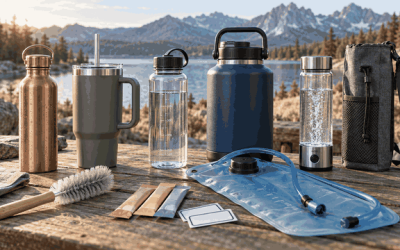
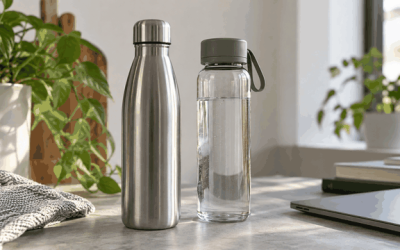
A marked bottle is useful when the goal is pacing rather than simply carrying the largest possible amount of water. Look for a wide, readable measurement scale, a leak-resistant lid, and a material that tolerates repeated washing. The best size depends on where and how often you serve drinks.
| Bottle type | Typical capacity | Approximate empty weight | Useful features | Best situation |
|---|---|---|---|---|
| Compact marked plastic bottle | 16–20 oz | 4–8 oz | Low cost, light, visible volume marks | Short gatherings and small bags |
| Insulated stainless-steel bottle | 20–24 oz | 10–16 oz | Cold retention, durable exterior | Frequent use and outdoor service |
| Large marked bottle | 32–40 oz | 7–20 oz | Fewer refills, prominent time or volume marks | Long events with reliable access to water |
| Glass marked bottle | 16–24 oz | 16–30 oz | Neutral taste, easy visual inspection | Home use away from crowded areas |
Weights vary considerably by wall thickness, insulation, lid design, and protective sleeves. Treat these figures as buying ranges rather than exact specifications. For most cocktail occasions, a 20–24-ounce bottle is the practical middle choice: large enough to provide several planned water breaks without becoming bulky.
A Simple Water-Pacing Setup
Use the bottle as a visual reminder, not as a promise that a certain amount of water makes drinking alcohol safe. Before serving, fill it with plain water and note the starting level. Then use a repeatable sequence:
- Before the first shot: Drink a glass of water and eat if appropriate. Food and water can affect how the occasion feels, but neither removes alcohol from the body.
- After each shot: Pause and have water before deciding whether to serve another. A marked bottle makes the pause visible.
- Use the marks as checkpoints: On a 24-ounce bottle, dividing the contents into four 6-ounce sections creates simple checkpoints. Refill only when convenient; do not force excessive water.
- Stop serving when needed: If someone appears confused, unsteady, unusually sleepy, vomiting, or difficult to wake, stop alcohol service and seek appropriate emergency help. Do not leave an impaired person alone.
- Plan transportation first: Designate a sober driver, use a taxi or rideshare, or stay where you are. Never drive after drinking.
There is no universal “one glass of water per drink” rule that guarantees safety. Body size, food, medications, health conditions, drinking speed, and alcohol strength all affect risk. People who are pregnant, taking medicines that interact with alcohol, managing a medical condition, or unsure whether alcohol is appropriate should ask a qualified healthcare professional.
Decision Matrix: Which Bottle Fits Your Serving Style?
| Your situation | Recommended bottle type | Why | What to prioritize |
|---|---|---|---|
| Occasional home use on a budget | 16–20 oz marked plastic | Affordable and easy to replace | Clear graduations and dishwasher compatibility |
| Frequent hosting | 20–24 oz stainless steel | Better resistance to dents and odors | Wide opening, removable gasket, secure cap |
| Outdoor or warm-weather events | 20–32 oz insulated bottle | Keeps water cooler for longer | Condensation control and a carry loop |
| Several guests sharing a station | 32–40 oz marked bottle or carafe | Fewer refills and clearer group visibility | Stable base, large scale, easy cleaning |
| Small purse or crowded venue | 16–18 oz slim bottle | Lower bulk and easier storage | Leak-proof lid and narrow profile |
Cleaning and Ownership Details That Matter
The lid gasket and cap threads usually wear or retain odors before the bottle body does. After use, empty the bottle promptly and wash the body, lid, and silicone seal separately. A bottle brush helps with narrow openings; a wide-mouth design is easier to inspect and dry. Let every component air-dry fully with the lid off before reassembly.
- Do not store cocktail, juice, or flavored mixers in the bottle overnight unless the manufacturer specifically permits it.
- Acidic lime juice can leave odors and may affect some finishes over time.
- Do not put insulated stainless-steel bottles in a microwave.
- Check the measurement marks periodically; printed graphics can fade with abrasive cleaning.
- Replace a cracked bottle, loose gasket, or cap that no longer seals reliably.
For serving kamikaze shots, measure the alcohol with a jigger, batch only what you intend to serve, keep a clearly labeled water bottle nearby, and treat hydration as a pacing aid rather than a safety guarantee. The reliable formula remains equal parts vodka, orange liqueur, and lime juice; the better bottle choice is the one whose markings are easy to read and whose capacity suits the length and setting of your gathering.