Key takeaways
- Wash weekly with a bottle brush and warm soapy water; straws and silicone gaskets need special attention because they trap residue.
- Do not put carbonated drinks or hot liquids in lids that are not designed for pressure.
- Powder drinks and electrolyte mixes are fine in most bottles, but rinse right away to prevent buildup.
- Insulated steel bottles resist odors; plastic ones can take on flavors, so keep a dedicated bottle for sports drinks.
- Check dishwasher guidance, as some insulated bottles lose their finish or vacuum seal quality when washed on high heat.
- Replace gaskets and straws on a regular schedule, roughly every six to twelve months with heavy use.
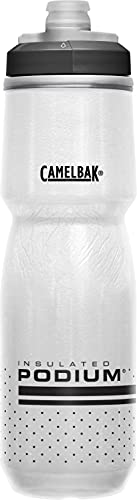
The best sports water bottle is one you can drink from with one hand during a workout, that does not leak in a gym bag and that holds 24 to 40 ounces. The Owala FreeSip suits most gym users, the CamelBak Podium Chill is the pick for cycling and running with a squeeze valve, and the Nalgene Wide Mouth is the lightweight, low-cost option for hikers and weight room regulars. Match the lid to the activity and the size to how long you go between refills.
Our top picks


As an Amazon Associate we earn from qualifying purchases at no extra cost to you.
Quick comparison of sports water bottle picks
| Pick | Best for | Material | Common sizes | Lid style | Price range |
|---|---|---|---|---|---|
| Owala FreeSip | Gym and daily sipping | Stainless steel, insulated | 24, 32, 40 oz | Straw plus swivel spout | Mid-range |
| CamelBak Podium Chill | Cycling, one-handed squeeze | Insulated plastic | 21, 24 oz | Self-sealing valve | Budget to mid |
| Nalgene Wide Mouth Sustain | Lightweight hiking and lifting | Tritan Renew plastic | 16, 32, 48 oz | Screw cap | Budget |
| Hydro Flask Wide Mouth with Flex Sip | Cold drinks all day | Stainless steel, insulated | 20, 32, 40 oz | Flex Sip lid | Upper-mid |
| YETI Rambler with Chug Cap | Rugged outdoor use | Stainless steel, insulated | 18, 26, 36 oz | Chug cap | Premium |
| Stanley IceFlow Flip Straw | Large capacity with a straw | Stainless steel, insulated | 20, 30, 36 oz | Flip straw | Mid-range |
Sizes and materials follow the manufacturers’ product pages; check current lid and color options before you buy.
Best overall: Owala FreeSip
The FreeSip’s lid lets you sip through a built-in straw or tilt back and drink from a wide spout, which helps when you need a big gulp between sets. Insulation keeps drinks cold for hours, according to the maker’s ratings, and the lid locks closed for carrying. The trade-off is a more complex lid with more parts to clean, and the straw design can trap residue if you skip a brush.
Best for cycling and running: CamelBak Podium Chill
The squeeze-and-sip valve gives a stream of water without tilting your head back, which is useful on a bike. Insulation keeps drinks cooler on a ride, and the narrow body fits standard bottle cages. Trade-off: plastic can hold odors if you leave drinks in it for long periods, so wash it often.
Best budget and lightest: Nalgene Wide Mouth Sustain
Nalgene’s wide mouth is easy to fill with ice, simple to clean and can take protein powder without clogging. It is not insulated, so drinks warm up, and a screw cap means you need two hands. At its price and weight, though, it is a great gym or trail option.
Best for cold drinks: Hydro Flask Wide Mouth with Flex Sip
Hydro Flask’s double-wall stainless steel holds cold for many hours, and the Flex Sip lid drinks like a sport cap. The steel body takes dents in the gym bag but remains durable. It is heavier and costs more than plastic.
Best for rough use: YETI Rambler with Chug Cap
The Rambler is a durable steel bottle with a wide opening and a chug cap that flows quickly. It is a strong choice for construction, outdoor work and long hikes. The price is high and the lid has a tethered cap that some people dislike.
Best large capacity with a straw: Stanley IceFlow Flip Straw
With sizes up to 36 ounces and a flip straw lid, the IceFlow is a good all-day hydration companion for a desk and the gym. The straw needs regular cleaning with a brush.
How to choose the right size and material
A simple rule: aim to drink about 4 to 8 ounces every 15 to 20 minutes during exercise, a general guideline from sports medicine bodies. For a 60 minute workout, that is 16 to 32 ounces. If you want to finish a full 32 ounce bottle in a one hour session, the bottle size works. For all-day desk use, pick 32 to 40 ounces and refill twice. For running, a 21 to 24 ounce bottle weighs less to carry.
| Activity | Suggested size | Best material | Lid |
|---|---|---|---|
| Gym session | 24 to 32 oz | Insulated steel or plastic | Straw or flip spout |
| Running | 16 to 21 oz | Lightweight plastic | Squeeze valve |
| Cycling | 21 to 24 oz | Insulated plastic | Squeeze valve |
| Day hike | 32 oz or more | Plastic or steel | Wide mouth screw cap |
| Team sports and long days | 40 oz | Insulated steel | Chug or straw lid |
Care, durability and common mistakes
- Wash weekly with a bottle brush and warm soapy water; straws and silicone gaskets need special attention because they trap residue.
- Do not put carbonated drinks or hot liquids in lids that are not designed for pressure.
- Powder drinks and electrolyte mixes are fine in most bottles, but rinse right away to prevent buildup.
- Insulated steel bottles resist odors; plastic ones can take on flavors, so keep a dedicated bottle for sports drinks.
- Check dishwasher guidance, as some insulated bottles lose their finish or vacuum seal quality when washed on high heat.
- Replace gaskets and straws on a regular schedule, roughly every six to twelve months with heavy use.
Lid types compared: which one fits your workout
The lid matters more than the body. A straw lid lets you drink while you keep your eyes on the weights or the road, and it limits splashing, but it adds a part that needs brushing. A wide-mouth screw cap is the easiest to fill and clean and handles ice cubes and powders, though it needs two hands and can spill during fast movements. A squeeze valve, common on bike bottles, delivers water on demand and seals tight when pushed shut, but it is slower for big drinks and some people find the bite valve tastes of silicone. A chug cap with a large opening moves water quickly after a hard effort and is the best choice for team practice.
If you plan to carry the bottle in a bag, test the lock before you buy: look for a lid that closes with a positive latch, and place the full bottle upside down over a sink for a minute at home. Gym bags are unforgiving, and a leaking bottle can ruin a phone or a towel. If you hike, add a carabiner loop or a handle, since many lids include one, so the bottle can clip to a pack.
Cold, hot and flavored drinks
Most insulated steel sports bottles are meant for water and cold drinks, and many are also fine with hot tea, but check the instructions, because sealed straw lids can build pressure. Sugary sports drinks can stick to gaskets, so rinse after each use. If you drink electrolyte tablets, stainless steel handles them better than some plastics, which absorb flavors. Keep one bottle for plain water and another for flavored drinks if you dislike taste carryover.
Frequently Asked Questions
What size sports water bottle should I get?
Choose 24 to 32 ounces for most workouts and 16 to 21 ounces for running or cycling. If you often cannot refill, go up to 40 ounces.
Is stainless steel or plastic better for sports?
Stainless steel keeps drinks cold and resists odors but weighs more. Plastic is lighter and cheaper, which suits running and the weight room.
Are insulated bottles worth it for the gym?
Yes, if you like cold water or ice. Insulation keeps water cold for hours, per manufacturer claims, but adds weight and cost.
Can I put protein shakes in a sports water bottle?
Wide-mouth bottles handle protein powder best. Clean them right after use because milk-based drinks can sour and leave odors.
How often should I clean my water bottle?
Wash it daily if it holds anything but water, and do a deep clean at least weekly. Dry the parts fully to prevent mold.