
A bottleless water cooler, also called a point-of-use cooler, suits offices, clinics and homes that want filtered hot and cold water without lifting five-gallon jugs, and the best choice depends on whether you can connect to a water line, how many people use it and what filtration the water supply needs. Freestanding floor units suit shared spaces, countertop units suit small kitchens, and bottleless models that connect to a line avoid bottle storage and delivery entirely.
Our top picks
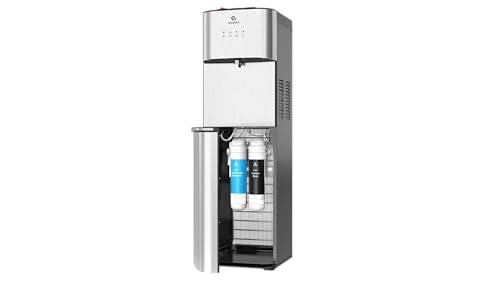

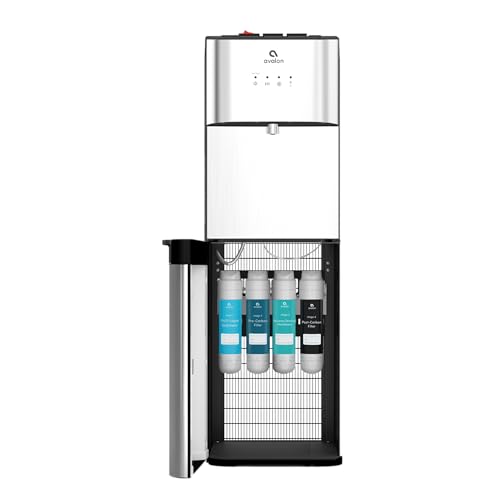

As an Amazon Associate we earn from qualifying purchases at no extra cost to you.
At a Glance
| Brand and style | Type | Best for | Limits |
|---|---|---|---|
| Brio bottleless coolers (floor-standing) | Plumbed, filtered, hot and cold | Homes and small offices wanting a familiar format | Needs a water line and a nearby outlet |
| Avalon bottleless coolers | Plumbed, filtered, hot and cold | Budget-minded buyers who want a plumbed unit | Filter replacement cadence depends on local water quality |
| Waterlogic point-of-use units | Plumbed, often with sanitation features | Offices and workplaces with higher usage | Often sold through dealers, more of a business-oriented product |
| Elkay filtered coolers and bottle-filling stations | Wall-mount or floor-standing, filtered | Commercial and public spaces | Installation can need a plumber or facilities team |
| Oasis point-of-use coolers | Plumbed hot and cold options | Workplaces and schools | Often installed through service providers |
| Countertop bottleless dispensers | Plumbed or tank-fed countertop | Small kitchens or desks | Smaller reservoir, slower recovery under heavy use |
Specific model numbers and certifications change. Use the table as a guide to categories and read the maker’s spec sheet for current details.
How Bottleless Coolers Work
A bottleless cooler connects to the cold water supply through a small line and runs the water through one or more filters before it enters a chilled tank and, on hot and cold models, a heated tank. Because there is no bottle to lift, you avoid delivery, storage and the risk of strained backs. The trade-off is that the cooler depends on your plumbing and your filters, so installation and maintenance matter more than with a bottle-fed unit.
Key Features to Compare
Filtration
Most point-of-use coolers use carbon filtration, and some add sediment pre-filters, reverse osmosis or ultraviolet sanitation. Filters vary in what they reduce, such as chlorine taste, sediment or certain contaminants. Look for the filter’s certification claims from the maker, such as NSF/ANSI standards, and read the data sheet to see which substances are covered. If you are concerned about a specific contaminant, a lab water test or advice from your local water utility is more reliable than a product listing.
Hot and Cold Output
Makers list cold output in gallons per hour and hot output in cups or gallons per hour. A small household needs very little, while an office needs faster recovery to avoid waiting. A hot water tap should have a child safety feature, and many units include a lock or two-step button. Check the maker’s description of that feature, particularly if young children are present.
Installation
Many bottleless coolers connect to a cold water line with a small tube and a saddle or adapter valve. Some installers use existing fittings under the sink, while others need a new tee. Always follow the maker’s manual and local plumbing codes, and hire a licensed plumber if you are not comfortable making the connection. A leak sensor or shut-off valve is a useful extra if the maker offers one.
Electrical Needs
Cooling and heating draw power, so the unit needs a standard grounded outlet. Do not use a damaged cord and avoid extension cords unless the manual allows them. If you have doubts about your outlet or circuit, speak to a qualified electrician.
Size and Placement
Floor-standing models are typically about the height of a bottle-fed cooler and need a few inches of rear clearance for ventilation. Countertop units are smaller and fit under standard cabinets in many kitchens, but have a smaller tank. Place the unit away from direct sunlight and from heat sources, and keep a safe distance from sinks and splash zones unless the maker states otherwise.
Filter Changes and Maintenance
Maker schedules for filter replacement vary, and local water quality changes the real interval. Sanitizing the reservoir and dispensing area on the schedule the maker gives helps maintain taste and hygiene. Write down the date you change filters, and keep spares on hand if the model uses a proprietary cartridge.
Budget Tiers
Budget
Entry-level bottleless coolers from brands such as Avalon offer basic filtration with hot and cold taps. Expect plain styling, fewer sanitation features and a simpler warranty. They suit households and small shared spaces.
Mid-Range
Brio and similar models often add stainless steel finishes, more filtration stages and larger tanks. Reviewers frequently put this tier at the best balance between cost and capability for small offices.
Premium
Workplace-grade units from Waterlogic, Oasis and Elkay offer higher capacity, sanitation technology and service plans from providers. They are suited to higher traffic but may involve installation fees or service agreements, so read those terms.
Pick X If
| Pick this if you | Consider | Why |
|---|---|---|
| Have a home kitchen and a nearby water line | Brio or Avalon floor-standing | Familiar format with filtration and hot and cold taps |
| Run a small office | Brio mid-range or Waterlogic | Capacity and sanitation features for shared use |
| Want bottle-filling for reusable bottles | Elkay bottle-filling station | Designed for filling bottles quickly |
| Have little floor space | Countertop bottleless dispenser | Smaller footprint |
| Need low upkeep through a provider | Waterlogic or Oasis service plan | Technicians handle filters and sanitizing |
| Cannot plumb a line | Bottle-fed or tank-fed dispenser | A bottleless unit needs a water connection |
Safety and Care Notes
Hot water taps can scald. Use the child lock as the maker describes, and keep children supervised near the unit. Do not move or tip a cooler while it is plugged in or full. Disconnect power and shut off the water before changing filters if the manual says to. If the unit leaks, smells or shows damage to its cord, stop using it and contact the maker or a qualified technician. A cooler is not a substitute for medical advice about water safety. If your water source has a boil notice or known contamination, follow guidance from your local health authority.
Alternatives to Consider
- Under-sink filter with a dedicated faucet. Saves counter space and filters water at a separate tap, though it does not chill or heat.
- Countertop filter pitcher or gravity filter. No installation, lower capacity, and manual refilling.
- Bottle-fed dispenser with a top-load or bottom-load design. Works where plumbing is not an option, at the cost of storage and lifting.
What Reviewers Commonly Say
Outlets that review water dispensers tend to praise bottleless units for convenience and long-term cost savings, and warn that installation quality and filter schedule decide how happy owners will be. Common complaints include limited hot water capacity on entry-level models, noisy compressors and filters that are harder to find than expected. Compare the maker’s filter availability and warranty terms before purchase.
Buying Checklist
- Confirm that a cold water line is within reach and that you can shut it off for installation.
- Check that a grounded outlet is nearby and that the cord will not be stretched or pinched.
- Read the filter certification information and the replacement schedule.
- Find out how filters are sold, whether through the maker, dealers or general retailers.
- Look at hot water safety features if children or vulnerable adults use the space.
- Ask your landlord or facilities manager for approval if you rent or work in a shared building, since plumbing changes may need permission.
Taking these points into account helps you avoid a unit that cannot be installed or a filter system that is hard to maintain, which are the most common problems owners describe.
Frequently Asked Questions
Do bottleless water coolers need plumbing?
Most do, because they connect to a cold water line and filter it before dispensing. Some countertop units use a tank you fill by hand instead. If you cannot plumb a connection, check that the model supports manual filling.
How often should the filters be changed?
Follow the maker’s schedule, which is usually based on time or volume. Water with more sediment or chlorine may need more frequent changes. Keep track of replacement dates so the filtration stays effective.
Are bottleless coolers cheaper than bottled water delivery?
Many buyers find the running cost is lower because you pay for filters and electricity instead of bottle deliveries. The up-front cost and installation can be higher, so the savings depend on your usage over time.
Is the water from a bottleless cooler safe to drink?
The cooler filters the water supply it is connected to, so the result depends on the source water and filter condition. If you have health concerns or a vulnerable household member, consult your local water utility or a doctor about suitable treatment.
Can I install one myself?
Many units are designed for simple installation with a tube and adapter, but you should follow the manual and local plumbing codes. If you are unsure about the connection or the electrical outlet, hire a licensed plumber or electrician.
How much space does one need?
Floor-standing models need floor space plus a few inches behind them for airflow. Countertop models need a flat, stable surface close to both water and power. Always leave the clearance the maker specifies.


