
Key takeaways
- Adjustable dumbbells: useful for a wider range of exercises and easier progression in small steps, though they do not replicate the offset swing of a kettlebell.
- Single kettlebells bought individually: lets you choose your own weights if a pre-built set does not match your needs.
- Resistance bands: a low-cost, space-saving option for lighter strength work and warm-ups.
For most people building a home gym, a set of three to five cast-iron or vinyl-coated kettlebells covering light, medium and heavy weights is the best starting point, while those who are short on space or want many weight options in one piece of equipment should consider an adjustable kettlebell. Beginners usually do best with a lighter-to-moderate range so they can learn swings, goblet squats and presses before adding load, and experienced lifters benefit from a heavier set with a flat base and a smooth handle.
Our top picks


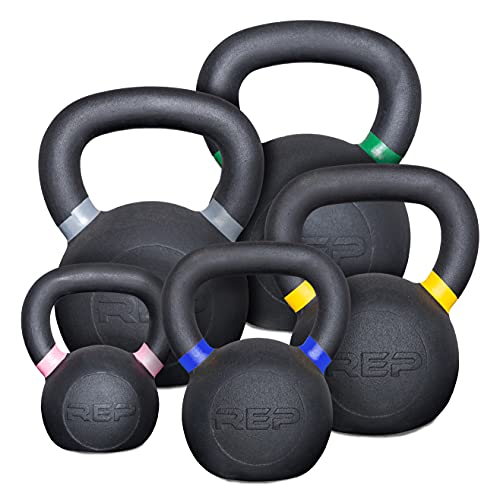
As an Amazon Associate we earn from qualifying purchases at no extra cost to you.
Kettlebell Sets at a Glance
| Set type | Best for | Typical features (as makers describe them) | Limits |
|---|---|---|---|
| Cast-iron set (bare or powder-coated) | Serious strength and conditioning work | Solid single-piece iron, flat base, wide handle | Rough finish can mark floors and hands |
| Vinyl-coated cast-iron set | Home gyms with finished floors | Iron core with a vinyl or rubber layer; color-coded weights | Coating can chip over time; bulkier size per weight |
| Neoprene or rubber-coated set | Beginners and group classes | Soft coating, lighter weights, easy to grip | Not as durable under heavy use |
| Competition-style set | Kettlebell sport and technique work | Uniform size across weights, steel construction, color coding | Premium positioning |
| Adjustable kettlebell | Small spaces and progressive loading | Dial or plate system to change weight in steps | Handle feel and balance differ from fixed bells |
| Kettlebell plus accessories bundle | Beginners who want a starter kit | One or two bells with a mat, guide or workout plan | Limited range of weights |
What to Look For
Weight range
Makers list sets by weight in pounds or kilograms. A typical starter set for adults may span light to moderate loads, with a progression of three or more bells. Women and new lifters often begin with a lighter bell for swings and presses and a heavier one for squats and deadlift patterns, while men often start at a moderate weight. The right range depends on your strength, so choose a set that lets you do both light technique work and heavier lifts.
Handle design
A smooth, medium-thick handle with a consistent finish is easier on the hands during high-rep swings and cleans. Rough castings can tear skin and may need to be sanded or chalked. Powder-coated handles often hold chalk well and resist rust.
Base and shape
A flat, stable base keeps the bell from tipping over. A round or narrow base can wobble. Competition-style bells keep the same outer dimensions across weights, which helps with technique consistency but may be more expensive.
Coating and floor protection
Vinyl or rubber coatings protect floors and reduce noise but can chip over time. Bare cast iron is durable, yet it can scratch hardwood or concrete. Use a mat under any kettlebell set to reduce damage and reduce slipping.
Space and storage
A stack of fixed bells takes up floor space. Some sets include a rack, and separate racks are available for most weights. An adjustable bell saves space but costs more per use if you rely on a single weight most of the time.
Budget Tiers
Budget
Vinyl-coated and neoprene sets from brands like CAP Barbell, Yes4All and Gaiam are widely sold in value ranges. They are usually enough for beginners and general conditioning, but check that the handle is smooth and the base flat, and expect lighter-duty finishes.
Mid-range
Powder-coated cast-iron sets from fitness brands like Titan Fitness, Rep Fitness and Bells of Steel are popular among home gym lifters. They are often a better long-term investment because the finish is durable and the handles are made for repeated swings.
Premium
Competition kettlebells and premium cast-iron sets from brands such as Rogue Fitness, Kettlebell Kings and Dragon Door are aimed at serious trainees. Adjustable options such as the Bowflex SelectTech kettlebell sit in this tier as well, and appeal to people who want a single piece of equipment with several weight settings.
Choosing Weights for Your Goal
For swings and cleans, a heavier bell lets you train the hips with more load, while for overhead presses and snatches a lighter bell helps keep the shoulder safe while learning technique. Many coaches suggest owning at least two or three weights so you can match the bell to the movement. A set with a light, medium and heavy bell lets you use different weights for different exercises.
If you plan to progress over time, think about buying a set with room to grow. For example, a set that starts at a moderate weight and extends to a heavy one gives you somewhere to go as you get stronger. Pairs of matching bells are useful for double-kettlebell work, but are not necessary for beginners.
Safety and Technique Notes
Kettlebell exercises such as swings, cleans and snatches are technical. If you are new, consider guidance from a qualified coach or a reputable instructional program, and start with a weight you can control. Clear the area around you, wear shoes or go barefoot on a non-slip surface and avoid wet floors. If you have an injury, a heart condition or are returning after a break, talk to a doctor or physical therapist before starting a program.
Inspect your bells periodically for cracks, loose handles or sharp edges, and stop using any bell with visible damage. Keep them dry to reduce rust. A light wipe with a dry cloth after use is enough for most coated bells, and a bit of fine sandpaper can smooth a rough handle on bare cast iron.
Pick X If… Decision Table
| Pick this | If you |
|---|---|
| Vinyl-coated set | train at home on a finished floor and want a low-maintenance option |
| Powder-coated cast-iron set | want long-term durability and a grippy handle |
| Neoprene set | are a beginner or doing group or light conditioning work |
| Competition-style set | follow kettlebell sport or want identical size across weights |
| Adjustable kettlebell | have little space and want multiple weights in one piece |
| Starter bundle | want a bell plus a guide or mat to get started |
Alternatives
- Adjustable dumbbells: useful for a wider range of exercises and easier progression in small steps, though they do not replicate the offset swing of a kettlebell.
- Single kettlebells bought individually: lets you choose your own weights if a pre-built set does not match your needs.
- Resistance bands: a low-cost, space-saving option for lighter strength work and warm-ups.
Building a Routine With a Set
A set is most useful when each bell has a job. A lighter bell is helpful for warm-ups, halos, Turkish get-up practice and overhead work. A mid-weight bell suits goblet squats, rows and swings for many people. A heavy bell is good for deadlifts, heavier swings and carries. Having all three on hand allows a simple full-body session without constantly changing equipment.
Many beginner programs revolve around a few foundational moves: the hip hinge, the swing, the goblet squat, the press and the carry. These can be organized into short circuits that take twenty to thirty minutes. Because kettlebells are compact, they make it easier to keep the habit of training at home.
As you progress, you can increase the load, the volume or the complexity of the movements. Keep a record of the weights and repetitions so you can see progress. Rest days and gradual increases are generally recommended by coaches, and anyone with health concerns should check with a doctor before ramping up intensity.
Frequently Asked Questions
What weights should a beginner kettlebell set include?
Beginners usually do well with a light bell for presses and technique and a moderate bell for swings and squats. The exact weights depend on strength and training history. Starting lighter lets you build form, and you can add heavier bells later.
Are vinyl-coated kettlebells better than cast iron?
Vinyl-coated bells are gentler on floors and often quieter, which suits home use. Bare or powder-coated cast iron tends to be more durable and has a more compact shape for its weight. The better option depends on where you train and how often.
Is an adjustable kettlebell as good as fixed ones?
Adjustable bells save space and let you change weight quickly, but the handle position, balance and bulk differ from a traditional bell. Many users like them for variety, while those focused on heavy swings or sport technique often prefer fixed bells. Read the maker’s stated weight range and handle size before buying.
How many kettlebells do I need?
One or two well-chosen weights can cover most basic workouts. A set of three allows for a better mix of light technique work and heavier lifts. More bells are useful if you train with a partner or progress quickly.
Can kettlebells damage my floor?
Bare iron bells can scratch or dent hardwood, tile and softer surfaces, especially when dropped. A rubber mat or lifting platform under your training area helps protect the floor. Coated bells are less likely to scratch but are still heavy.
How do I stop kettlebell handles from hurting my hands?
Choose a bell with a smooth, even handle finish, and use chalk if your hands get sweaty. Rough casting can be lightly smoothed with sandpaper, and some people use gloves or grips. If pain continues, check your technique with a coach.


