Key takeaways
- For a general-purpose vegetable garden, start with a 17–24-inch-deep bed that is about 4 feet wide only if you can reach both sides. Prioritize a clearly stated steel thickness, a corrosion-resistant finish on both faces, reinforced long panels, and replaceable bolted connections. Choose a smaller…
The best galvanized raised garden bed depends on what you’re growing
For most home vegetable gardens, the best galvanized raised garden bed is a modular steel bed about 17–24 inches deep, made from roughly 0.6–0.8 mm steel, with a protective coating on both sides, rounded or capped edges, and bolt-together panels that can be replaced. Choose a shallower bed for herbs and leafy greens, a deeper one for root crops, or a narrow footprint if you need to reach the center without stepping into the soil.
There isn’t one ideal size or thickness for every garden. Steel gauge, coating, panel shape, drainage, and the cost of filling the bed all affect long-term value. Use the comparison below as a starting point; specifications vary by manufacturer, and listed dimensions are representative buying targets rather than claims about a particular model.
Our top picks
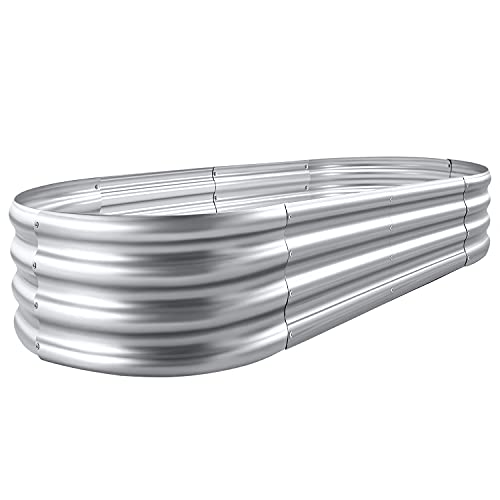
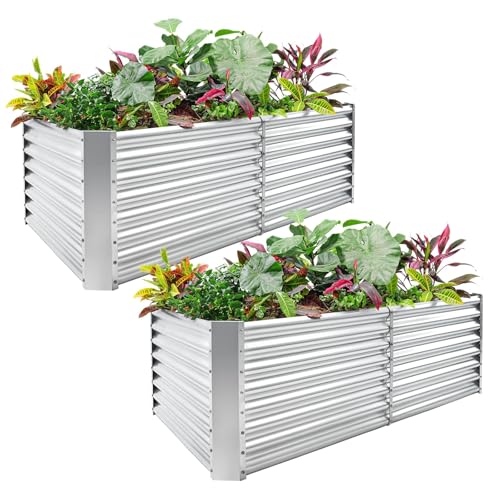
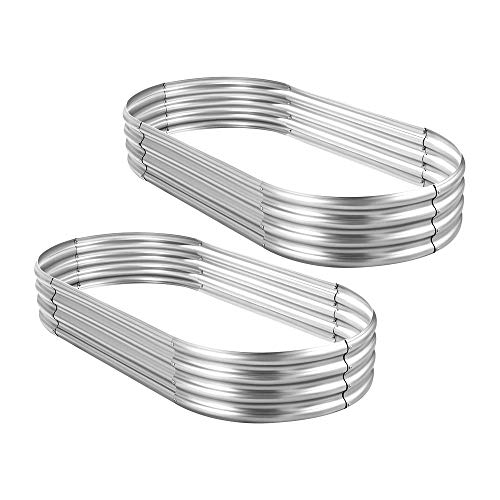

As an Amazon Associate we earn from qualifying purchases at no extra cost to you. Ratings are shown as listed on Amazon.
Compare by growing space and construction
| Garden-bed type | Useful dimensions | Steel thickness to look for | Best suited to | Main trade-off |
|---|---|---|---|---|
| Compact herb bed | 2 × 2 ft; 10–12 in deep | About 0.5–0.6 mm | Herbs, salad greens, patios | Limited room for deep roots |
| Standard vegetable bed | 4 × 4 ft; 17–24 in deep | About 0.6–0.8 mm | Mixed vegetables and beginner gardens | Needs substantial soil or growing mix |
| Long, narrow bed | 2 × 6 ft; 17–24 in deep | About 0.6–0.8 mm | Paths, fence lines, one-sided access | May need extra bracing on longer sides |
| Deep root-crop bed | 4 × 4 ft; 30–32 in deep | About 0.7–1.0 mm, with reinforcement | Carrots, parsnips, and deep, loose soil | Higher fill cost and greater outward soil pressure |
Thickness figures are useful comparison points, not universal pass-or-fail cutoffs. Some makers list steel in millimeters, others use gauge, and a larger gauge number generally means thinner sheet steel. Compare the actual millimeter figure where possible, and check whether it describes the steel itself or the finished panel including coatings.
What matters more than the product name
Steel thickness and shape
Thicker steel is generally less prone to denting and flexing, but panel design matters too. Corrugations, folded edges, and vertical supports can stiffen a panel. On a tall bed, ask whether the manufacturer includes crossbars or other reinforcement; wet soil pushes outward, especially on long sides. Very thin, flat panels can bow even if the advertised bed looks sturdy in product photos.
Galvanizing, coatings, and corrosion
Galvanized steel has a zinc coating that helps protect the underlying steel from corrosion. Some beds add a painted or powder-coated finish, often for appearance and an additional barrier. Look for a clear description of the coating on the inside as well as the outside, since the soil-facing surface stays damp. A coating doesn’t make a bed immune to rust: scratches, cut edges, standing water, and contact with persistently wet debris can become weak points.
For longer service life, choose panels with protected or folded edges and avoid dragging metal tools along the interior. If a panel is damaged, follow the maker’s repair guidance; touching up exposed metal promptly is preferable to leaving a scratch to weather. Don’t assume that a color or “food-safe” phrase alone establishes how a coating performs in your specific conditions.
Depth, access, and growing plans
A 10–12-inch bed can suit shallow-rooted herbs and greens, particularly if it sits on soil rather than a hard surface. Many common vegetables do better with around 17–24 inches of usable growing depth. Deep-rooted crops such as long carrots benefit from deeper, stone-free soil, but a tall bed is not automatically necessary if the native soil beneath is workable and roots can grow into it.
Keep the bed narrow enough to reach the middle without stepping on the growing area. A 4-foot-wide bed works well when approached from both sides; against a wall or fence, a width closer to 2 feet is easier to tend. This access calculation often matters more than adding extra length.
Pick the right bed for your situation
| Your situation | Practical choice | Why |
|---|---|---|
| Small patio or first garden | 2 × 2 ft, 10–12 in deep, with rounded edges | Manageable footprint and lower fill requirement |
| Mixed vegetables, access on two sides | 4 × 4 ft, 17–24 in deep, with bracing if included | Good reach and room for crop rotation or mixed planting |
| Bed beside a fence | About 2 ft wide and 6 ft long | Lets you reach the full bed from one side |
| Root crops or a firm paved surface | 30–32 in deep, reinforced, with open drainage | Provides more root room when plants cannot extend into ground below |
| Lowest upfront spend | Smaller, simpler bolt-together bed with documented steel thickness | Reduces both purchase cost and the amount of mix needed |
Assembly, drainage, and fill: the ownership details
Choose an assembly method you can maintain
Bolt-together beds are common and make it easier to replace a damaged panel or take the bed apart. They require more assembly time, and loose or unevenly tightened fasteners can leave joints unstable. Slot-together designs can assemble quickly, but inspect how corners lock and whether the maker offers replacement parts. Wear gloves during setup: unfinished edges, fasteners, and folded seams can still be sharp.
Build the bed on a level surface before filling it. Check that all corners sit square, tighten hardware as directed, and install crossbars before adding soil. Once filled, a bed is difficult to move, and correcting a leaning frame is much harder than leveling the empty one.
Drainage is essential, but a liner can cause problems
Most bottomless raised beds drain through the soil underneath, so they should not be set on a sealed surface without a plan for excess water to escape. On concrete or a balcony, use a design with suitable drainage openings and confirm that runoff can drain safely. A liner may protect a surface, but if it blocks drainage or traps moisture against the steel it can create new problems. Follow the bed maker’s instructions and avoid leaving water pooled at the base.
Before placing a bed on lawn or soil, remove persistent weeds and consider whether the ground below is compacted. A layer that blocks weeds can also block water or roots, depending on the material. Choose it for the site conditions, not as an automatic step.
Estimate the fill before choosing dimensions
Bed volume helps reveal the real cost of a large or tall model. For a 4 × 4 ft bed filled to 18 inches, the volume is 4 × 4 × 1.5 = 24 cubic feet. That is about 0.89 cubic yard, before allowing for settling. A 2 × 2 ft bed at the same depth takes 6 cubic feet—one quarter as much.
Use an appropriate growing mix for the crops and site, and account for settling when buying materials. Filling a deep bed entirely with bagged mix can cost more than the metal frame. If you use a layered fill, keep the actual root zone deep enough for the plants you intend to grow, and don’t use materials that may contain contaminants.
Bottom line
For a general-purpose vegetable garden, start with a 17–24-inch-deep bed that is about 4 feet wide only if you can reach both sides. Prioritize a clearly stated steel thickness, a corrosion-resistant finish on both faces, reinforced long panels, and replaceable bolted connections. Choose a smaller shallow bed for herbs and greens; go taller for root crops or hard surfaces only when the extra root space justifies the added fill and structural demands.