
Choose the Right Material for Your Water Bottle
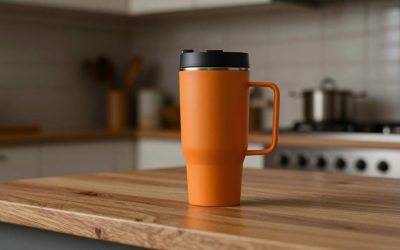
The material of your water bottle affects taste, durability, weight, and how it handles temperature. Stainless steel is the most popular choice for everyday use because it is tough, resistant to rust, and does not retain flavors from previous drinks. Double-walled stainless steel also provides excellent insulation for both hot and cold beverages.
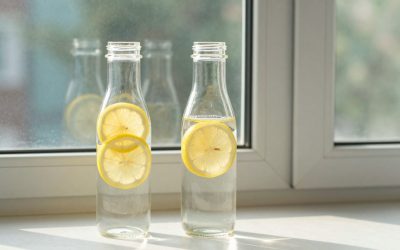
Glass bottles offer a clean, neutral taste and do not absorb odors or colors, making them ideal for people who want the purest drinking experience. However, glass is heavier and more fragile, so it works best for desk use or light commuting rather than athletic or outdoor activities.
Our top picks


As an Amazon Associate we earn from qualifying purchases at no extra cost to you.
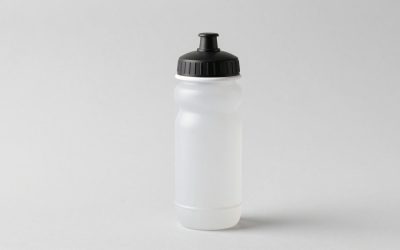
Plastic bottles are lightweight and affordable, but quality varies widely. Tritan copolyester is a common high-grade plastic that is BPA-free, shatter-resistant, and generally safer for repeated use. Cheaper plastics can scratch, cloud, and harbor bacteria over time, so if you go this route, inspect the bottle regularly for wear.
Aluminum bottles are lightweight and often lined with a food-safe coating to prevent metallic taste. They work well for single-wall applications but offer little thermal insulation unless double-walled construction is used.
Pick the Correct Size and Capacity
Bottle size should match your daily hydration needs and how you carry your water. Most adults need between two and three liters of fluid per day, but you do not need to carry all of that in a single bottle. A 16 to 20 ounce bottle fits standard cup holders and backpack side pockets, making it convenient for driving, office use, and casual walks.
A 24 to 32 ounce bottle suits longer outings where you want fewer refills, such as hikes, gym sessions lasting over an hour, or full days on the go. Larger bottles in the 40 to 64 ounce range are useful for camping, road trips, or people who prefer to fill once and drink throughout the day. Remember that larger bottles are heavier and may not fit in compact bags or vehicle cup holders.
Consider your own body weight and activity level when choosing capacity. A general guideline is half your body weight in ounces as a daily minimum. If you exercise heavily or live in a warm climate, you will need more.
Understand Insulation and Temperature Retention
If you drink mostly cold water in summer or hot coffee and tea in winter, insulated bottles make a meaningful difference in satisfaction. Double-walled vacuum insulation creates a thermal barrier that keeps cold drinks cold for 24 hours or more and hot drinks warm for 12 hours in well-made bottles.
Single-wall bottles conduct heat and cold quickly, which means ice water will warm within an hour or two in a warm environment, and hot liquids will make the exterior uncomfortable to hold. Some manufacturers address this with a foam sleeve or a powder-coated exterior, but none match true vacuum insulation.
Keep in mind that insulated bottles cost more and are heavier than single-wall alternatives. If you refill frequently and drink water at room temperature, a lighter single-wall option may serve you better.
Look at Lid Design and Practical Features
The lid determines how easy a bottle is to drink from, clean, and transport. Screw-top lids provide the most reliable seal against leaks, but they require two hands to open. Flip-top or pop-open lids allow one-handed drinking, which is essential for cycling, driving, or working at a desk.
Straw lids keep the mouthpiece away from dirt and are convenient for kids or people who do not like tilting their head back to drink. However, straws add an extra component to clean and can develop mold if not maintained properly.
Mouth width matters for cleaning and adding ice. Wide-mouth bottles accept ice cubes and are easier to wash by hand or in a dishwasher. Narrow-mouth bottles are better for drinking without splashing but are harder to fill with ice and clean thoroughly.
Before purchasing, think about how you will use the bottle most often, where you will carry it, and whether you need it to fit a cup holder. Matching the bottle to your habits ensures you will actually use it daily rather than let it collect dust in a cabinet.


Write Your Review
No reviews yet. Be the first to share your experience!