
A clean water bottle is essential for staying hydrated without exposing yourself to bacteria, mold, or unpleasant odors. Whether you use a stainless steel bottle, a glass bottle with a silicone sleeve, or a BPA-free plastic container, proper cleaning routines make a significant difference in longevity and safety. This guide covers the methods that work for every bottle type so you can keep your drinkware in top condition year-round.
Daily Cleaning Routine for Water Bottles
At minimum, rinse your bottle with warm water after every use. For a more thorough daily clean, fill the bottle with hot water, add a few drops of mild dish soap, and use a bottle brush to scrub the interior walls, bottom, and neck. Pay special attention to the threaded rim and the lid components where residue accumulates quickly. After scrubbing, rinse thoroughly under running water and leave the bottle open to air dry upside down on a drying rack. Avoid sealing a wet bottle with its cap, as trapped moisture encourages bacterial growth and musty smells that are difficult to remove later.
Deep Cleaning Methods for Stubborn Odors and Stains
When soap and a bottle brush are not enough, baking soda offers an effective and safe solution. Add one tablespoon of baking soda to your bottle, fill it halfway with warm water, and let it sit for at least thirty minutes or overnight for severe staining. Scrub gently afterward and rinse completely. White vinegar works similarly well for mineral buildup and lingering odors. Mix equal parts white vinegar and water, let the solution soak for one to two hours, then scrub and rinse. For bottles used with coffee, tea, or flavored water, deep cleaning once a week prevents persistent stains and smells from setting in.
Caring for Lids, Straws, and Seals
The components most people overlook during cleaning are actually where bacteria thrive the fastest. Silicone gaskets and rubber seals should be removed and washed separately with warm soapy water. Use a small brush, such as a straw cleaner or a clean toothbrush, to reach inside drinking spouts and narrow straw passages. Check your bottle manufacturer instructions before placing any parts in the dishwasher, as high heat can warp plastic lids or degrade silicone seals over time. Hand washing these components is generally the safer approach and extends their usable life considerably.
Storing Your Bottle Between Uses
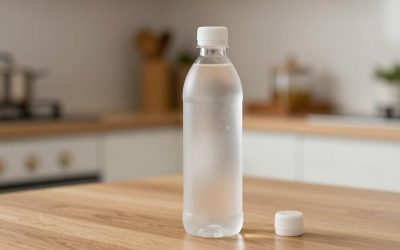
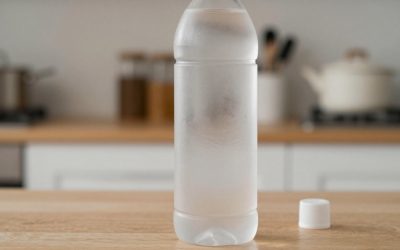
Proper storage is just as important as cleaning. Always ensure the bottle is completely dry before closing it with its lid. Store it upright or inverted with the cap removed to allow air circulation. Keep it in a cool, dry place away from direct sunlight, which can accelerate the breakdown of plastic and fade printed designs. If you will not use a bottle for an extended period, wash it thoroughly, dry it completely, and store it uncapped. Periodically check stored bottles for any signs of odor or moisture buildup before refilling them.
Following these simple water bottle cleaning and care practices will keep your drinkware safe, odor-free, and visually appealing for years. Consistency is the key element: a quick daily rinse and scrub prevent the buildup that requires harsh chemicals or deep cleaning sessions later.

Write Your Review
No reviews yet. Be the first to share your experience!